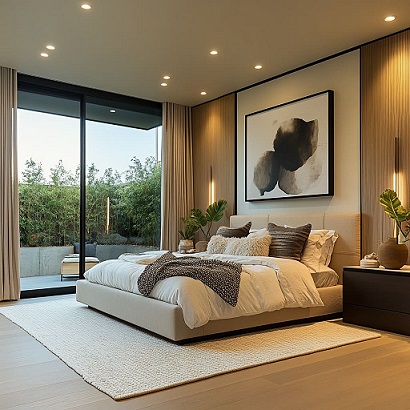
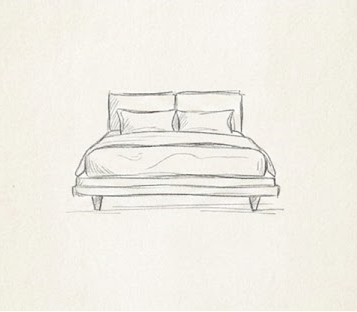
Upload a clear furniture or decor image and convert it into a reusable 3D asset.
AI 3D Model Generator
Design 3D Models From Text, Images, or Sketches
Create GLB-ready 3D assets for interior design, furniture previews, e-commerce, AR, games, and architectural presentations.
Text to 3D
Image to 3D
Sketch to 3D
GLB Export
Loading 3D model...
3D Model
Turn a clear image into a downloadable 3D model file.
Reference image
Clear furniture or object photo ready for 3D generation.
Sketch image
A clean concept sketch with a short description.
Normal
Interactive 3D result
Drag to rotate
Loading 3D model...
Loading 3D model...
Loading 3D model...
Generate Practical 3D Assets for Design Work
Use Roomix AI to create furniture, decor, fixtures, product prototypes, and interior elements that can be downloaded and previewed interactively.
Describe an object, style, material, and shape to generate a new 3D model.
Turn concept sketches into clean 3D forms for early design exploration.
Export models for 3D viewers, AR workflows, product pages, and design software.
How to Create a 3D Model
Choose your input, describe the model, select the generation type, and download your result.
- 01Upload or Describe
Use a photo, sketch, or text prompt with clear object and material details.
- 02Choose Settings
Select Normal, LowPoly, or Geometry depending on the kind of model you need.
- 03Preview and Download
Inspect the model in the browser, then download the GLB file for your workflow.
Built for Interior and Product Visualization
Fast 3D assets help designers communicate ideas before modeling from scratch.
Furniture Concepts
Create sofas, chairs, tables, shelves, lamps, and decor pieces from prompts or references.
Client Presentations
Preview design objects interactively instead of sending only flat images.
E-commerce Views
Generate product-style models for catalogs, prototypes, and AR-ready previews.
Ready to Create Your First 3D Model?
Open the Roomix AI dashboard and start with text, image, or sketch input.
Generate 3D Model Now3D model questions
Compare model types, PBR materials, design workflow, and credit costs before generating.
What is an AI 3D Model Generator?
It is a tool that uses artificial intelligence to create downloadable 3D model files from text prompts, images, or sketches.
How does Image to 3D conversion work?
You upload a clear object or furniture image, and the system uses it as a visual reference to estimate shape, proportions, and surface details for a 3D model.
Can I create 3D models from text descriptions?
Yes. Text to 3D lets you describe the object, shape, material, style, and color, then generates a new 3D model from that description.
What is the GLB file format?
GLB is a compact 3D file format that can include geometry, materials, and textures in one file. It is widely used for web 3D viewers, AR previews, and product visualization.
How long does 3D model generation take?
Generation time depends on input type, model complexity, and server load. Simple models may finish faster, while detailed or PBR-enabled models can take longer.
What is the difference between Normal, LowPoly, and Geometry?
Normal is the balanced default for most 3D models. It usually keeps more visual detail and is suitable for product previews, furniture, decor, and general design use.
LowPoly creates a lighter, simplified mesh with fewer polygons. It is useful for faster loading, mobile viewing, games, AR previews, and cases where file size matters. It may reduce fine geometric detail, but it is not always cheaper because pricing depends on the generation provider.
Geometry focuses mainly on the model shape and structure, often with simpler material or texture output. It is useful for early concepts, clean forms, and workflows where you want the base 3D shape before adding detailed materials later.
When should I enable PBR Materials?
Enable PBR Materials when you want richer surface response such as roughness, metallic feel, or more realistic material lighting. It can increase processing cost and file size, so keep it off for fast previews.
How do text, image, and sketch generation affect the design result?
Text to 3D follows your written description. Image to 3D uses the uploaded object as the main reference. Sketch to 3D is best for early concepts where shape matters more than texture.
How are credits calculated?
Each input type and generation type has a credit cost configured by the admin. PBR Materials is an optional extra credit cost added only when the customer turns it on before generating.
ما هو مولد نماذج 3D بالذكاء الاصطناعي؟
هو أداة تستخدم الذكاء الاصطناعي لإنشاء ملفات نماذج ثلاثية الأبعاد قابلة للتحميل من وصف نصي أو صورة أو رسم.
كيف تعمل ميزة تحويل الصورة إلى 3D؟
ترفع صورة واضحة لعنصر أو قطعة أثاث، ويستخدمها النظام كمرجع بصري لتقدير الشكل والنسب وتفاصيل السطح وإنشاء نموذج 3D.
هل يمكن إنشاء نماذج 3D من وصف نصي؟
نعم. ميزة النص إلى 3D تتيح وصف العنصر والشكل والخامة والنمط واللون، ثم تولد نموذجًا ثلاثي الأبعاد بناءً على هذا الوصف.
ما هو تنسيق ملف GLB؟
GLB هو تنسيق ملف ثلاثي الأبعاد مضغوط يمكن أن يحتوي على الهندسة والخامات والأنسجة في ملف واحد. يستخدم كثيرًا في عارضات 3D على الويب والمعاينة بالواقع المعزز وعرض المنتجات.
كم يستغرق توليد نموذج 3D؟
يعتمد الوقت على نوع الإدخال وتعقيد النموذج وحمل الخادم. النماذج البسيطة قد تنتهي أسرع، بينما النماذج التفصيلية أو المفعّل فيها PBR قد تستغرق وقتًا أطول.
ما الفرق بين Normal و LowPoly و Geometry؟
Normal هو الخيار الافتراضي المتوازن لمعظم نماذج 3D. غالبًا يحافظ على تفاصيل بصرية أكثر، وهو مناسب لمعاينة المنتجات والأثاث والديكور والاستخدامات العامة في التصميم.
LowPoly ينشئ مجسمًا أخف ومبسّطًا بعدد مضلعات أقل. يفيد في التحميل الأسرع، والعرض على الهاتف، والألعاب، ومعاينات الواقع المعزز، والحالات التي يكون فيها حجم الملف مهمًا. قد يقلل بعض التفاصيل الهندسية الدقيقة، لكنه ليس دائمًا أرخص لأن السعر يعتمد على مزود التوليد.
Geometry يركز بشكل أساسي على شكل النموذج وبنيته، وغالبًا ينتج خامات أو تفاصيل سطح أبسط. يفيد للأفكار الأولية والأشكال النظيفة وسير العمل الذي تحتاج فيه إلى الشكل الأساسي للنموذج قبل إضافة خامات تفصيلية لاحقًا.
متى أفعّل PBR Materials؟
فعّل PBR Materials عندما تريد خامات أغنى مثل الخشونة واللمعان والإحساس المعدني وإضاءة مواد أكثر واقعية. قد يزيد التكلفة وحجم الملف، لذلك اتركه مغلقًا للمعاينات السريعة.
كيف تؤثر النصوص والصور والرسوم على نتيجة التصميم؟
النص إلى 3D يتبع الوصف المكتوب. الصورة إلى 3D تستخدم العنصر المرفوع كمرجع أساسي. الرسم إلى 3D مناسب للأفكار الأولية عندما يكون الشكل أهم من الخامة.
كيف يتم حساب الكريدت؟
لكل نوع إدخال ونوع توليد تكلفة كريدت يحددها الأدمن. إضافة PBR Materials لها تكلفة كريدت إضافية لا تُضاف إلا إذا فعّلها العميل قبل التوليد.
AI 3D Model Generator nedir?
Metin açıklamaları, görseller veya eskizlerden indirilebilir 3D model dosyaları oluşturmak için yapay zeka kullanan bir araçtır.
Image to 3D dönüşümü nasıl çalışır?
Net bir obje veya mobilya görseli yüklersiniz. Sistem bu görseli referans alarak şekli, oranları ve yüzey detaylarını tahmin eder ve 3D model üretir.
Metin açıklamalarından 3D model oluşturabilir miyim?
Evet. Text to 3D ile objeyi, şekli, malzemeyi, stili ve rengi tarif edebilir, bu açıklamadan yeni bir 3D model oluşturabilirsiniz.
GLB dosya formatı nedir?
GLB; geometri, malzeme ve dokuları tek dosyada tutabilen kompakt bir 3D dosya formatıdır. Web 3D görüntüleyiciler, AR önizlemeleri ve ürün görselleştirme için yaygın kullanılır.
3D model üretimi ne kadar sürer?
Süre giriş türüne, model karmaşıklığına ve sunucu yoğunluğuna bağlıdır. Basit modeller daha hızlı tamamlanabilir; detaylı veya PBR açık modeller daha uzun sürebilir.
Normal, LowPoly ve Geometry arasındaki fark nedir?
Normal, çoğu 3D model için dengeli varsayılan seçenektir. Genellikle daha fazla görsel detayı korur ve ürün önizlemeleri, mobilya, dekor ve genel tasarım kullanımları için uygundur.
LowPoly, daha az poligona sahip daha hafif ve sadeleştirilmiş bir mesh oluşturur. Daha hızlı yükleme, mobil görüntüleme, oyunlar, AR önizlemeleri ve dosya boyutunun önemli olduğu durumlar için kullanışlıdır. İnce geometrik detayları azaltabilir, ancak fiyat üretim sağlayıcısına bağlı olduğu için her zaman daha ucuz değildir.
Geometry, ağırlıklı olarak modelin şekline ve yapısına odaklanır; genellikle daha basit malzeme veya doku çıktısı verir. İlk konseptler, temiz formlar ve detaylı malzemeleri daha sonra eklemek istediğiniz iş akışları için uygundur.
PBR Materials ne zaman açılmalı?
Daha zengin yüzey tepkisi, pürüzlülük, metal hissi veya daha gerçekçi malzeme ışığı istediğinizde PBR Materials açılabilir. Maliyeti ve dosya boyutunu artırabileceği için hızlı önizlemelerde kapalı tutun.
Metin, görsel ve eskiz üretimi sonucu nasıl etkiler?
Text to 3D yazılı açıklamayı takip eder. Image to 3D yüklenen objeyi ana referans olarak kullanır. Sketch to 3D, dokudan çok formun önemli olduğu erken konseptler için uygundur.
Krediler nasıl hesaplanır?
Her giriş türü ve üretim türü için kredi maliyeti admin tarafından belirlenir. PBR Materials, sadece müşteri üretimden önce açarsa eklenen ayrı bir kredi maliyetidir.